Year
2017
Genre
photojournalism
synopsis
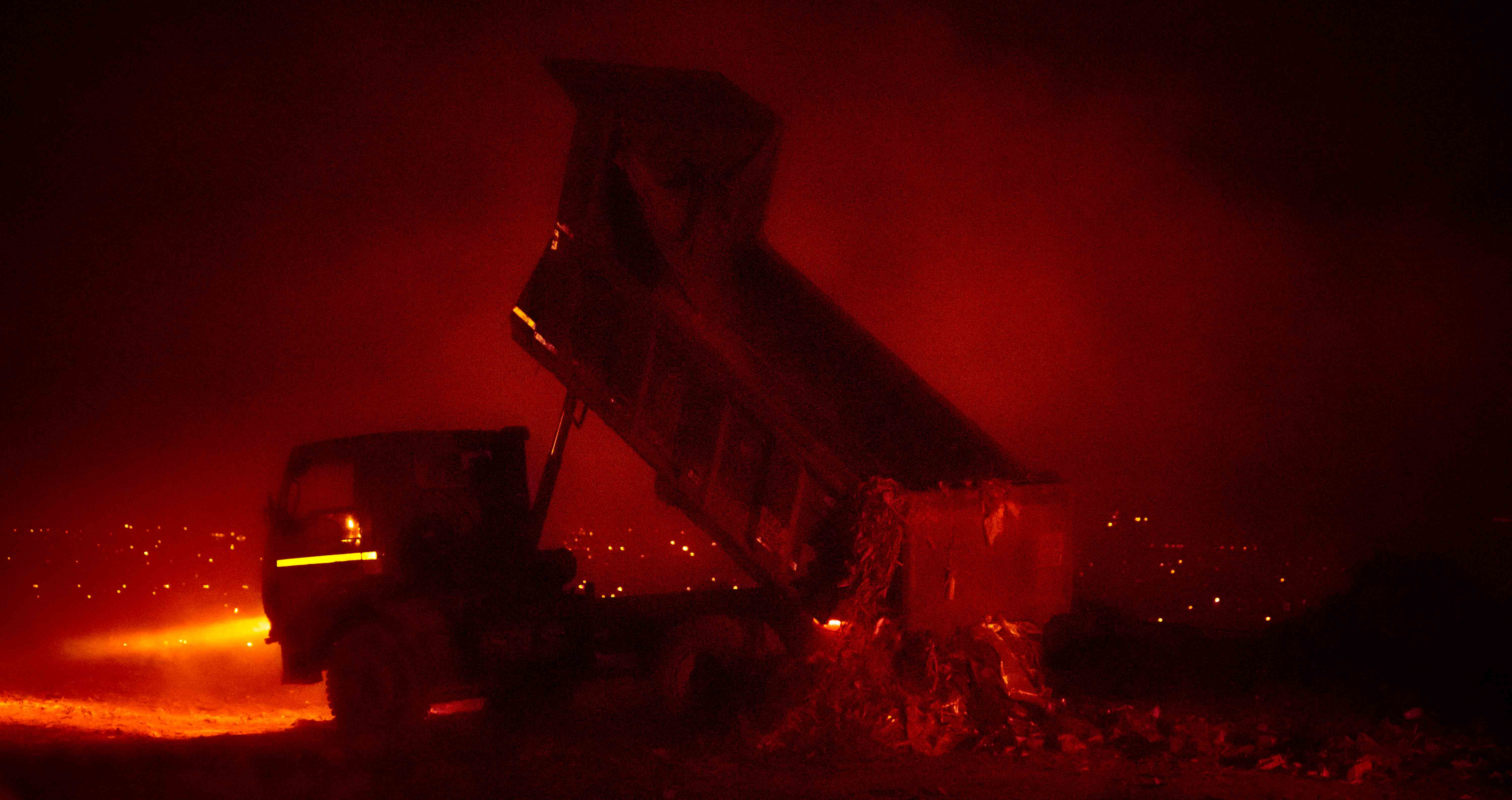
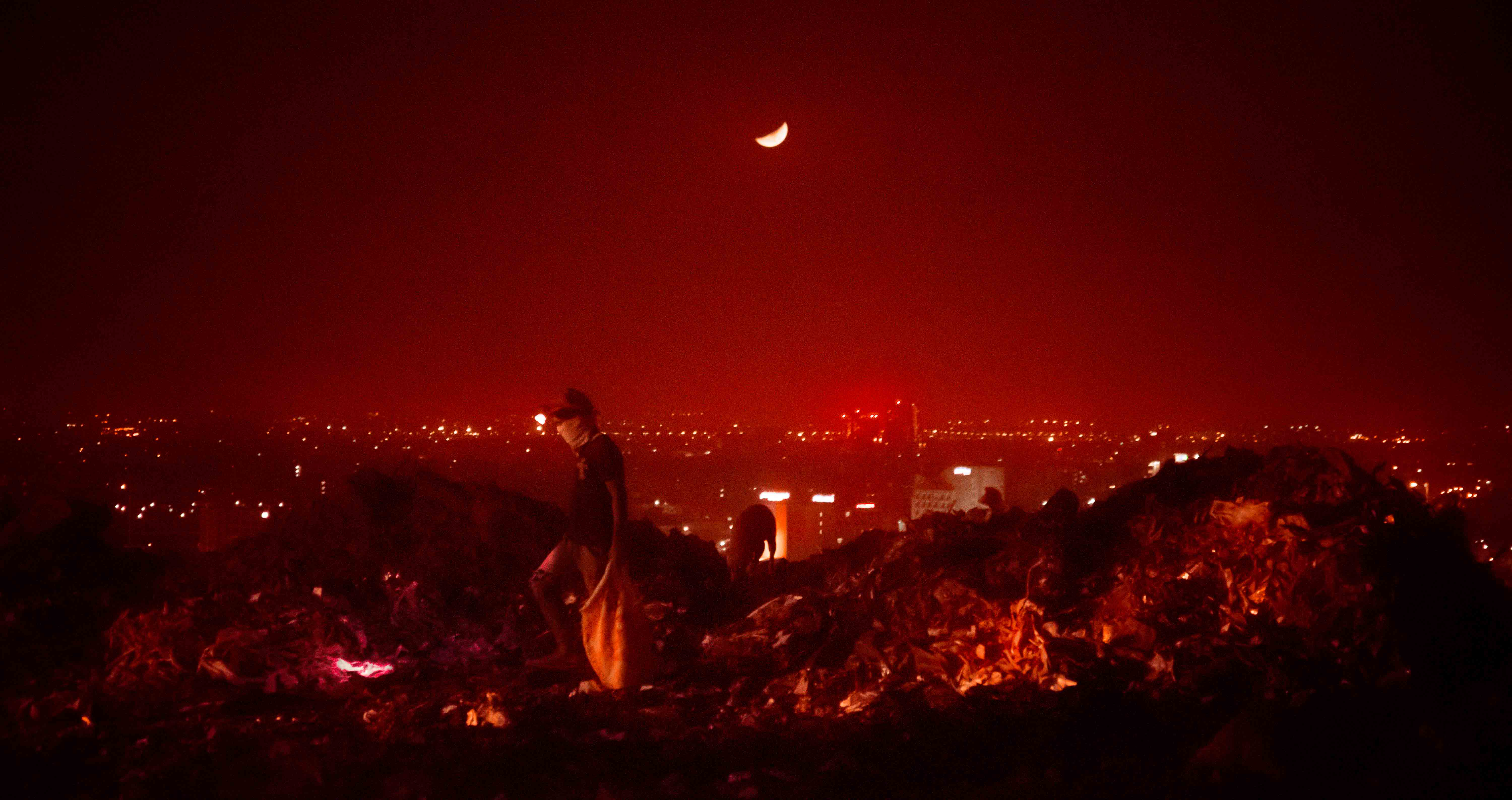
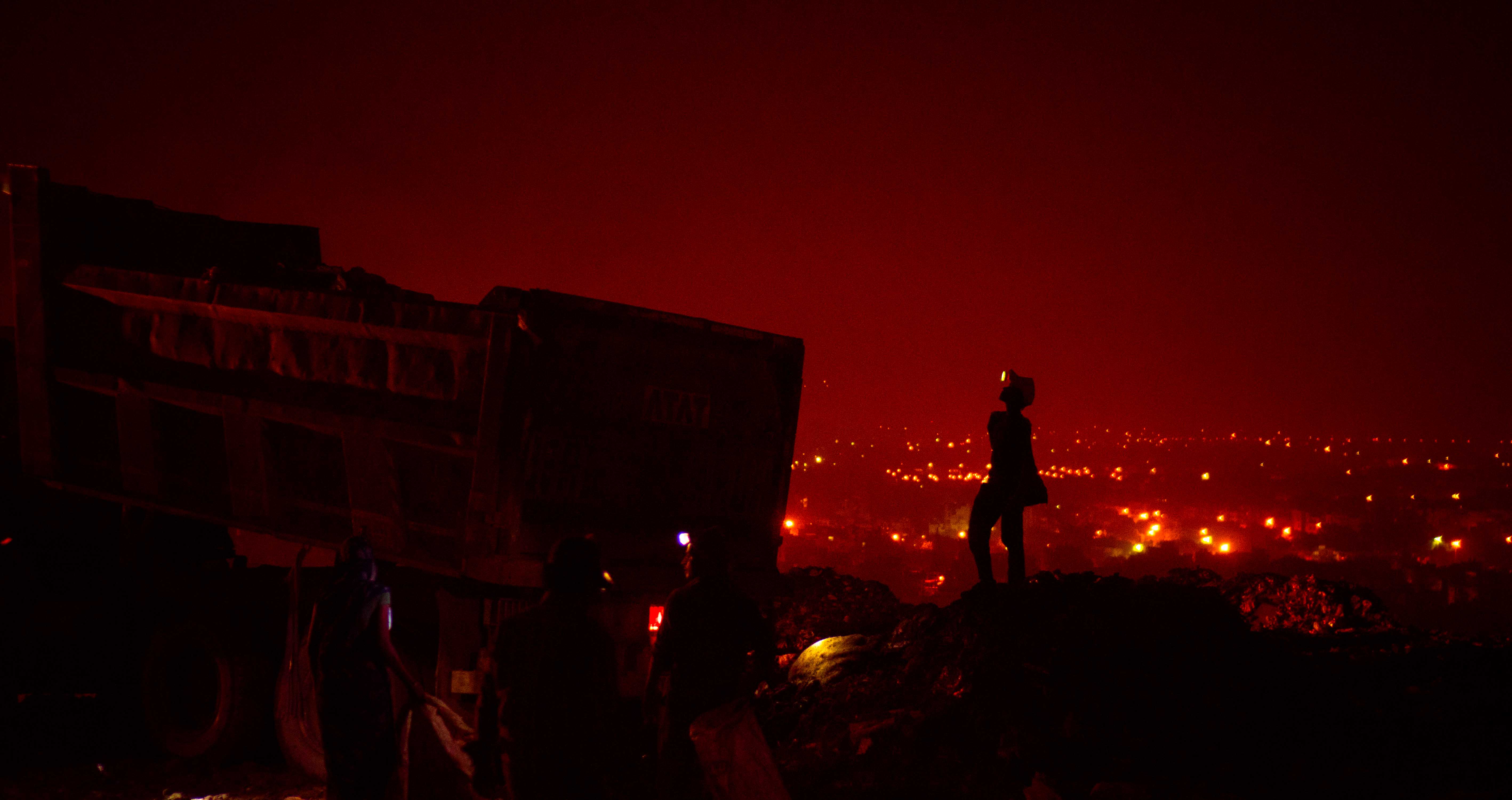
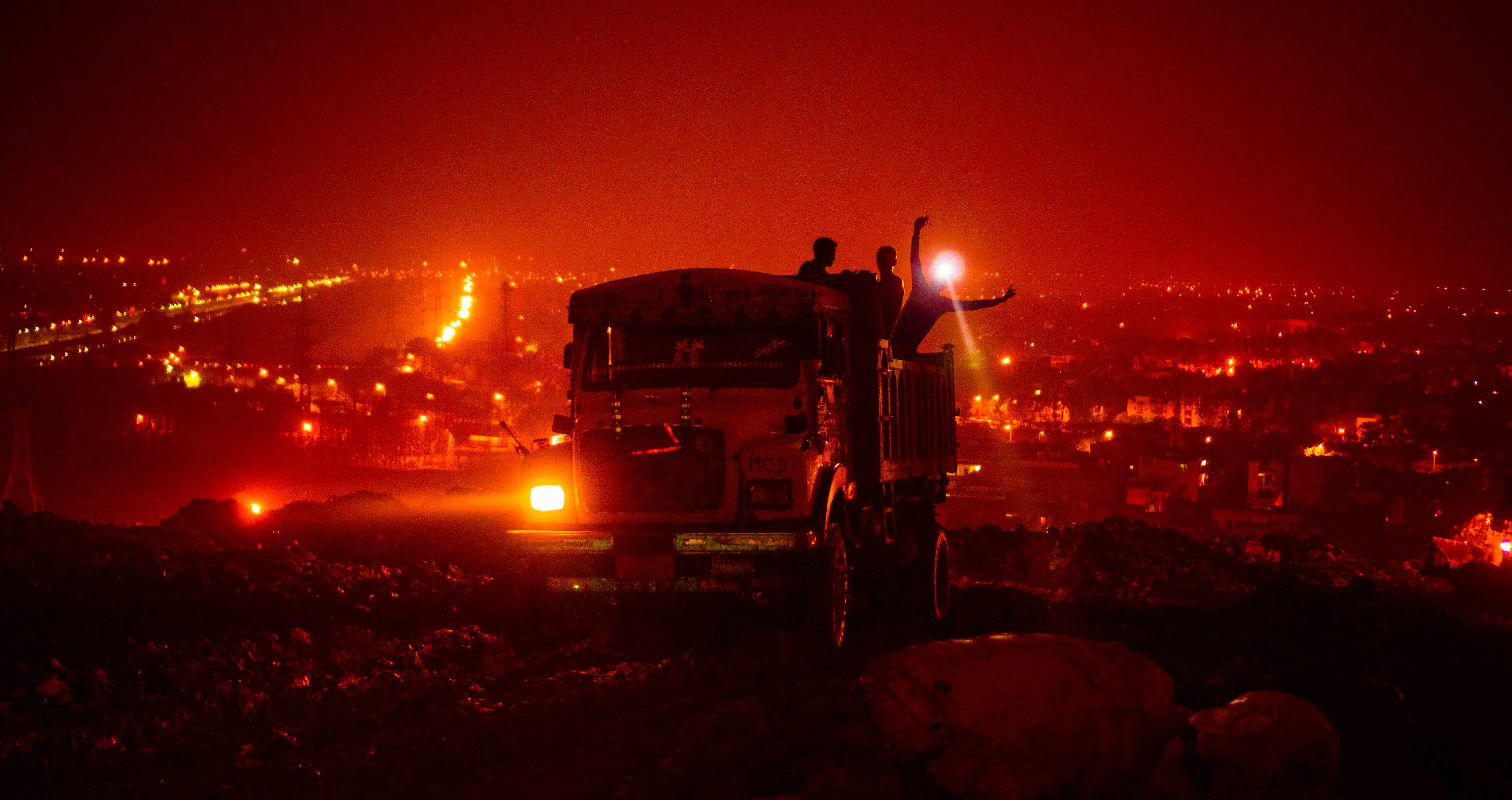
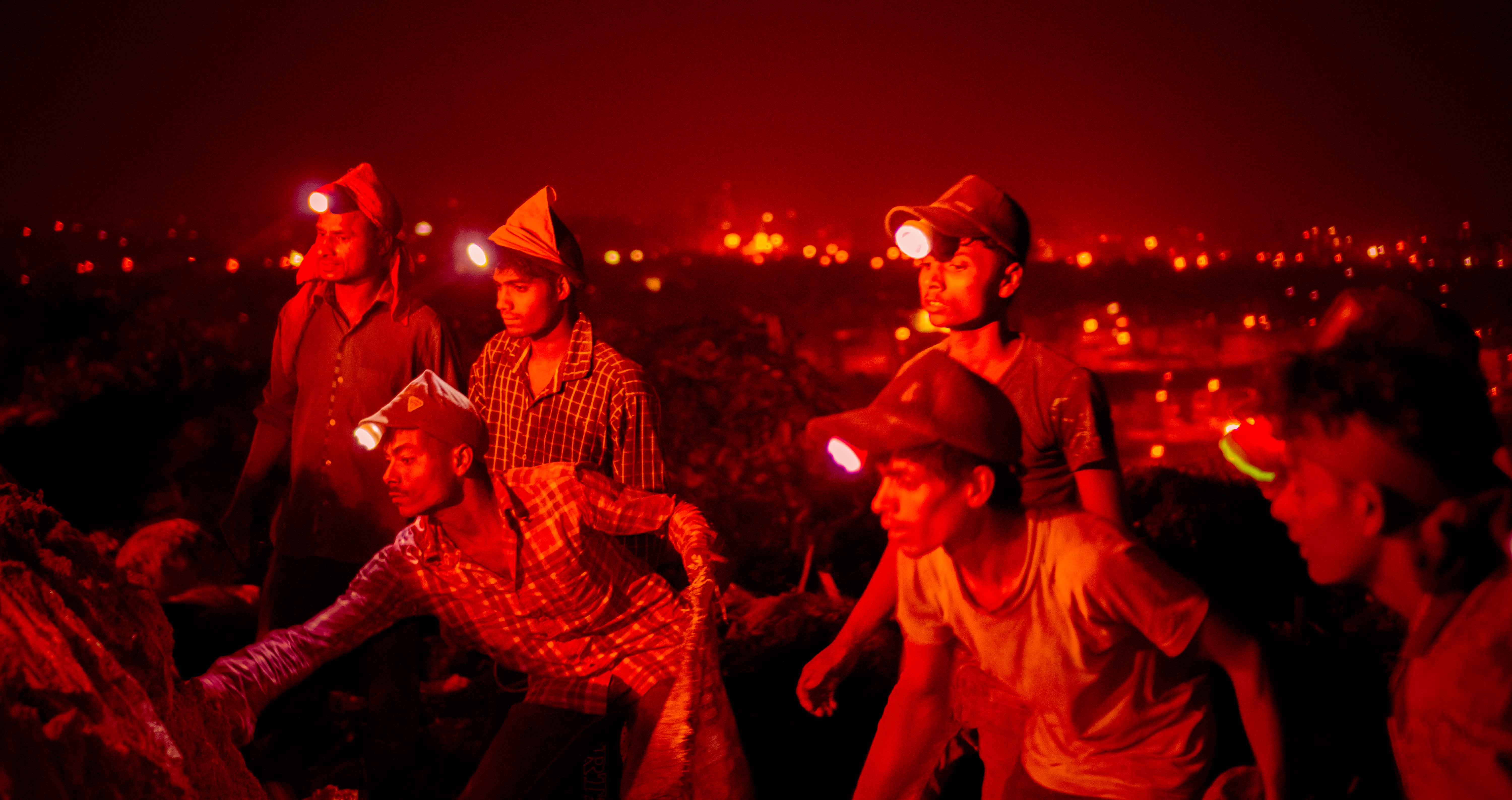
Beneath a crescent moon, a hill of waste rises 200 feet above Delhi. This landfill never stops burning. Hazardous gases fuel the fire from below. Day and night, garbage trucks climb to the summit and dump the city's excess. Each load sends dust across the mountain, choking the air.
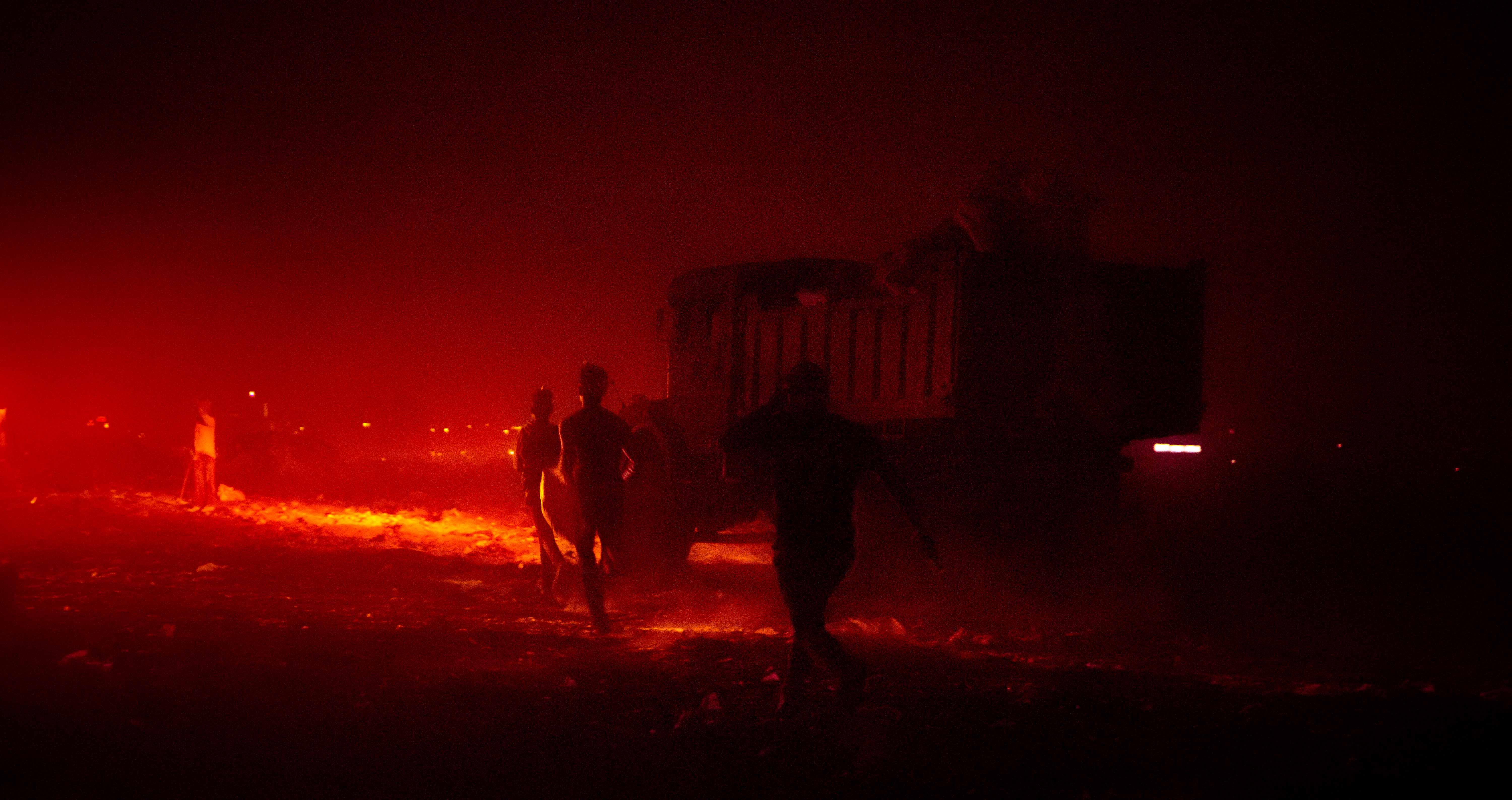
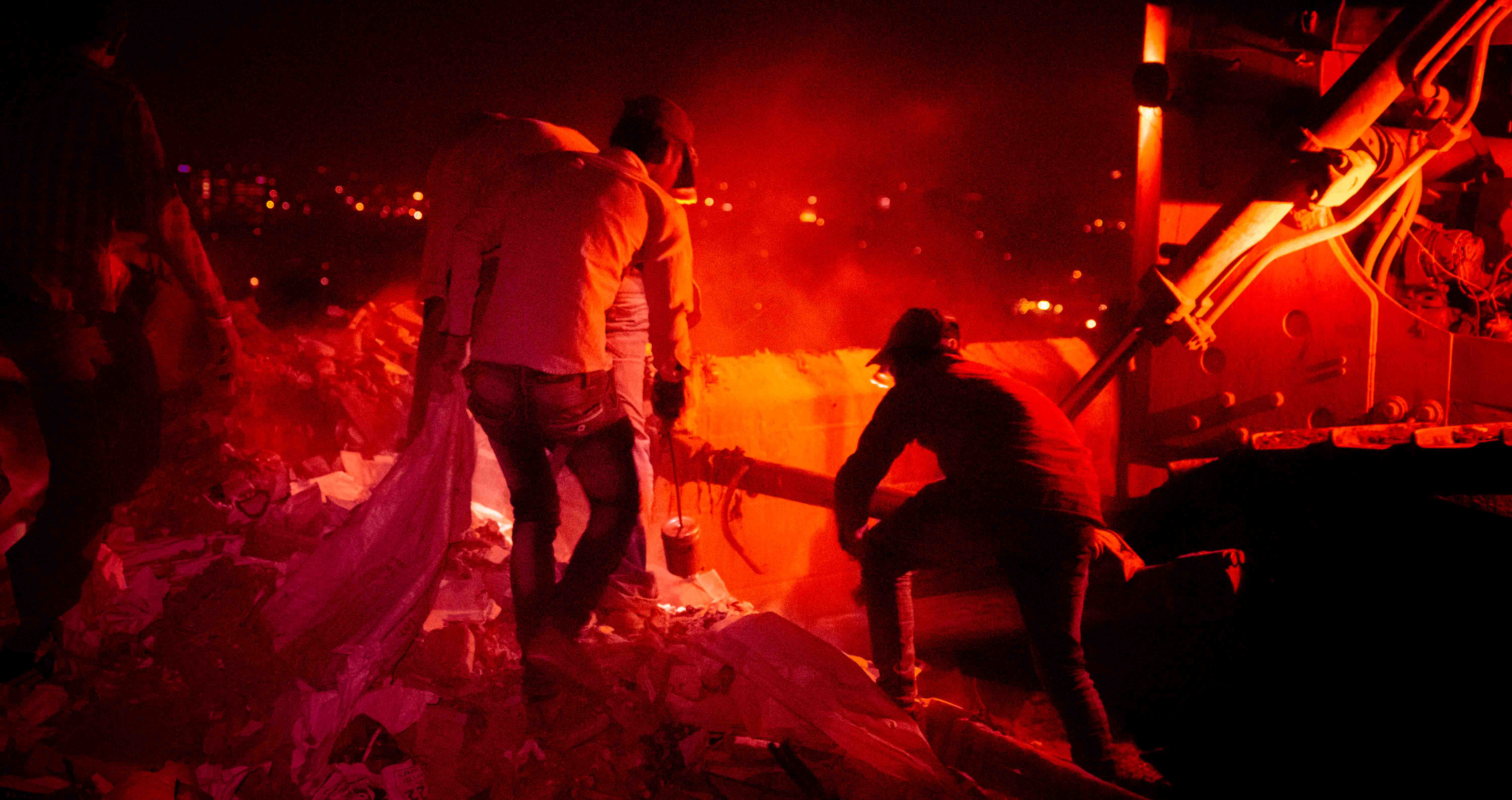
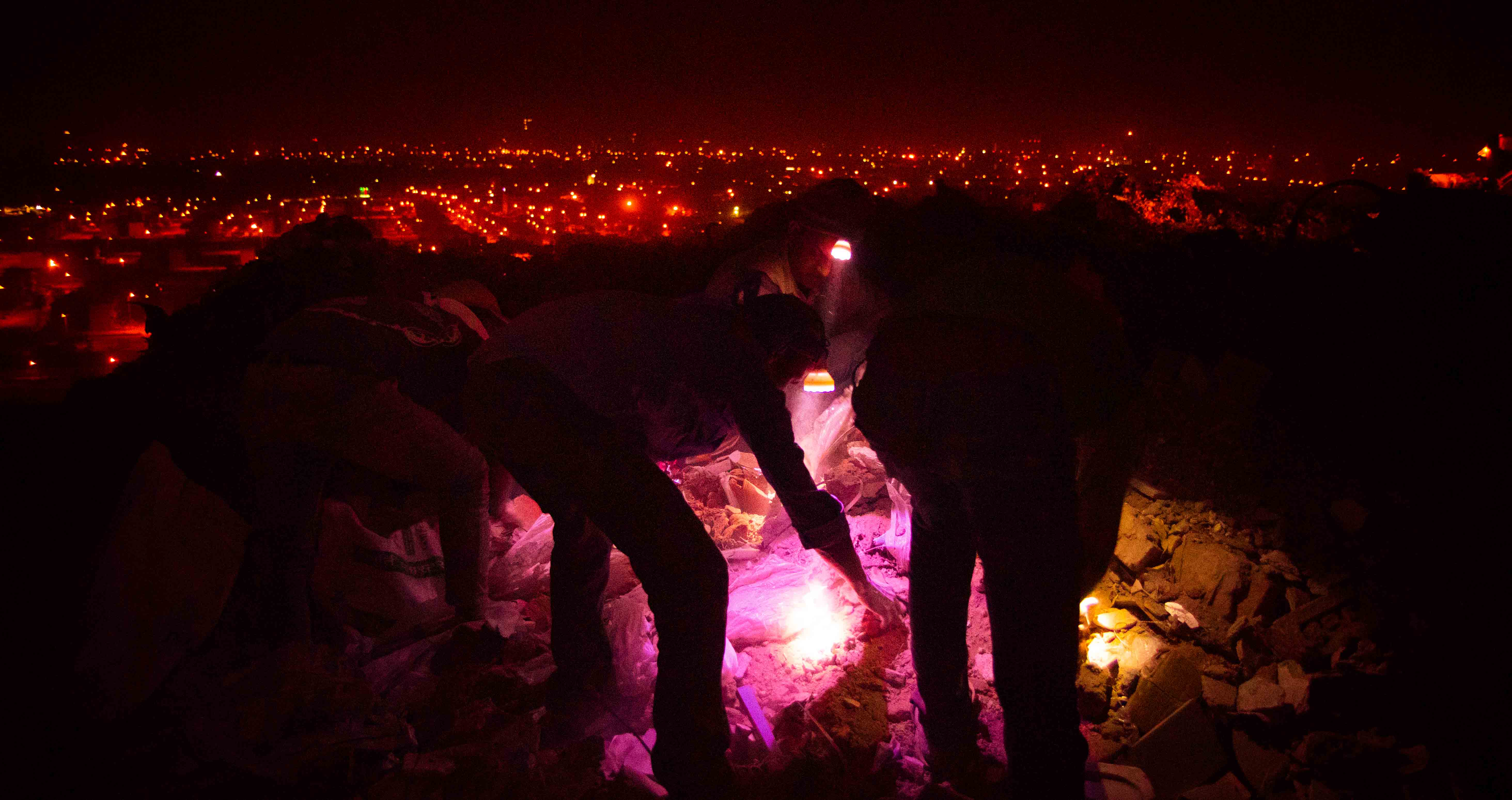
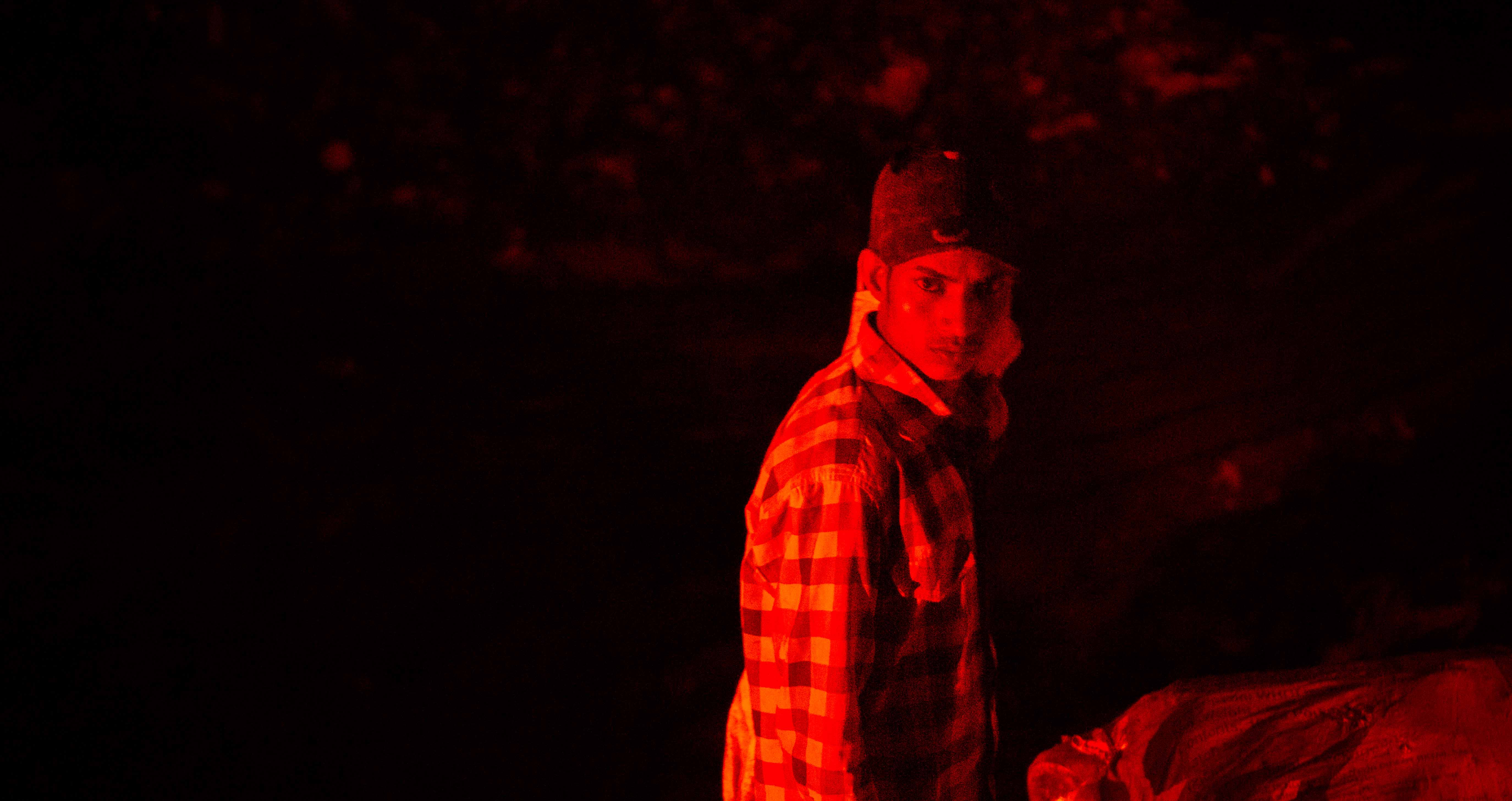
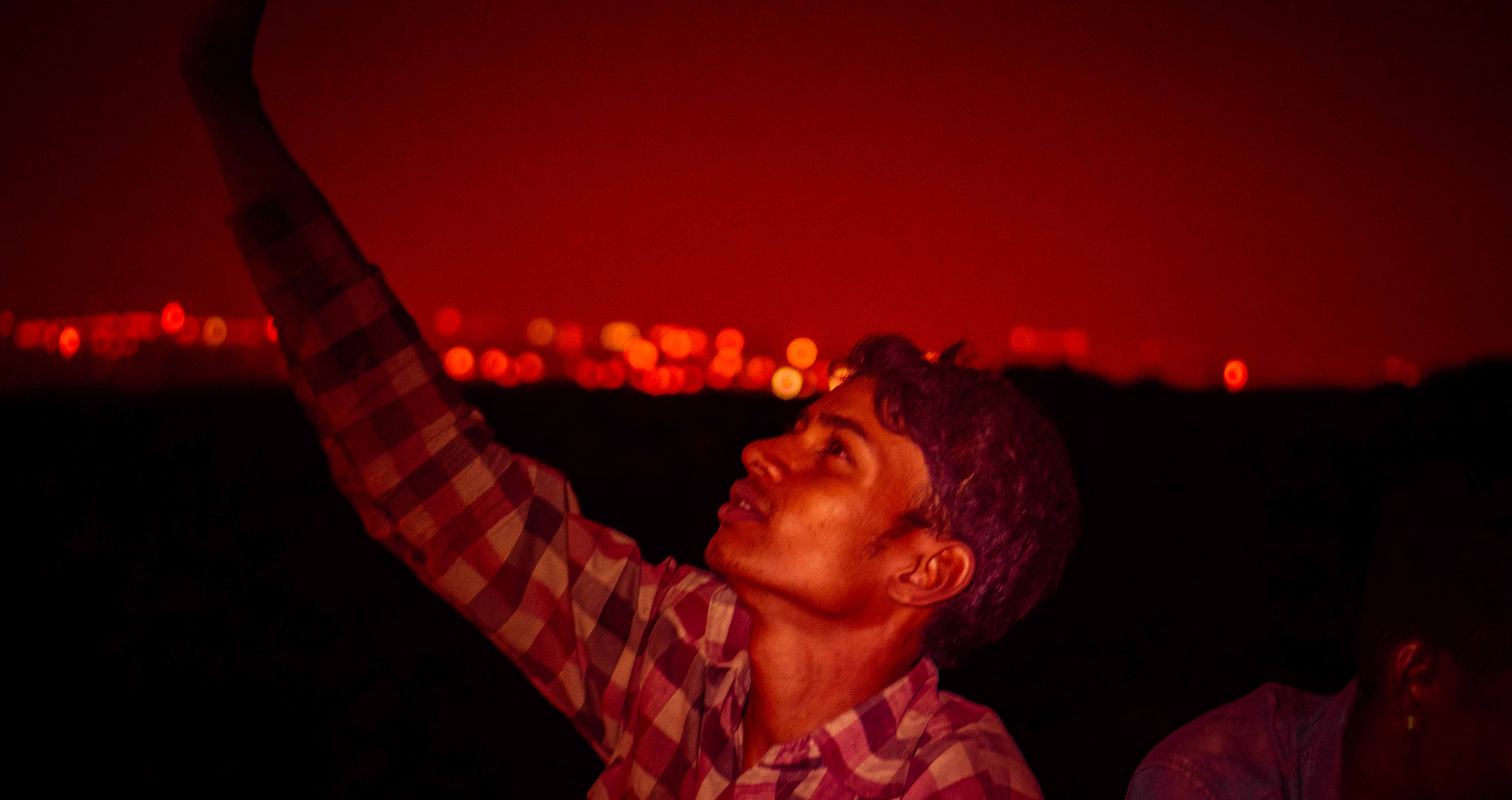
Under red lights and thick smoke, life continues. Boys, women, children. All of them climb the mountain, risking everything for scraps.
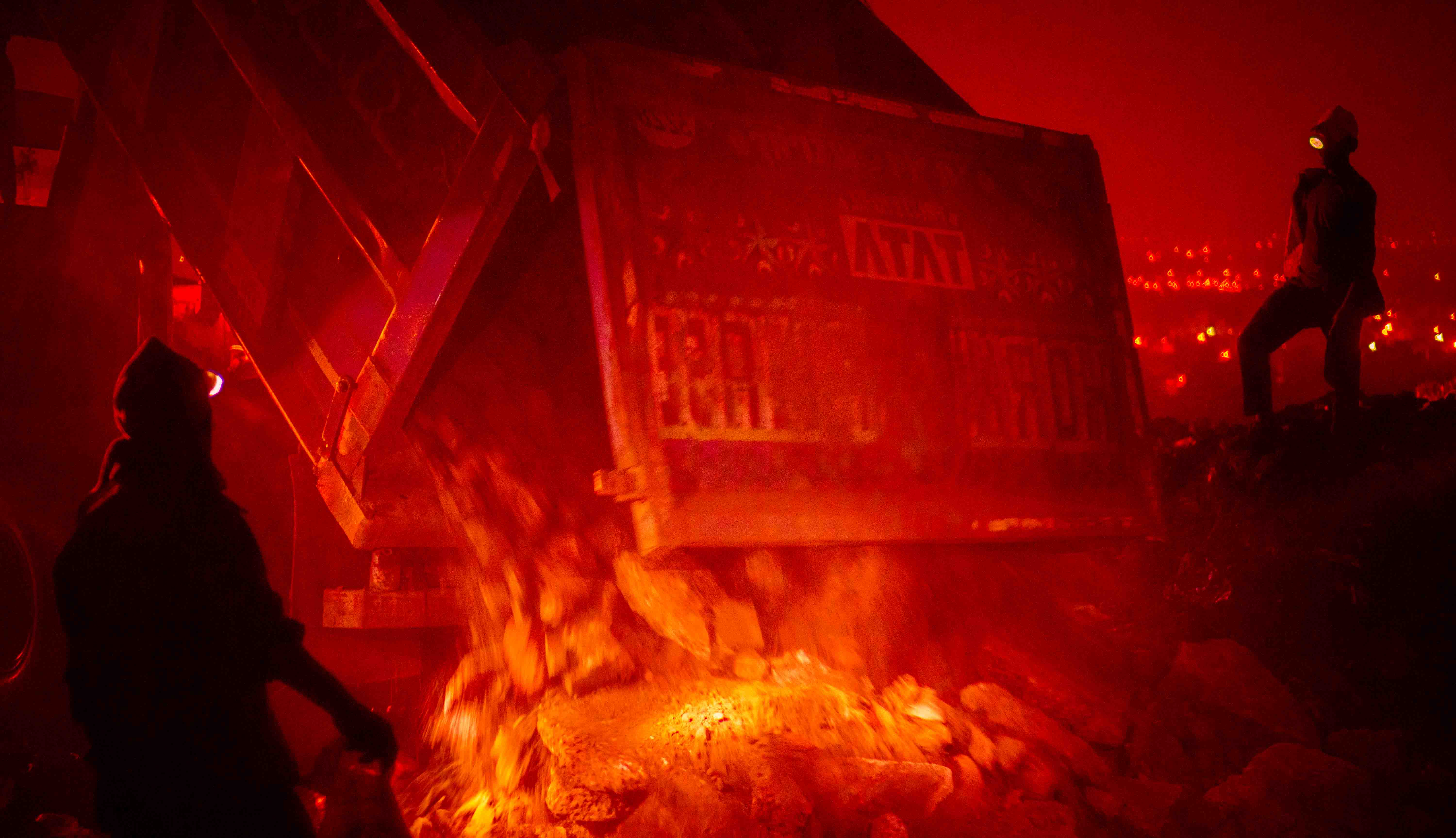
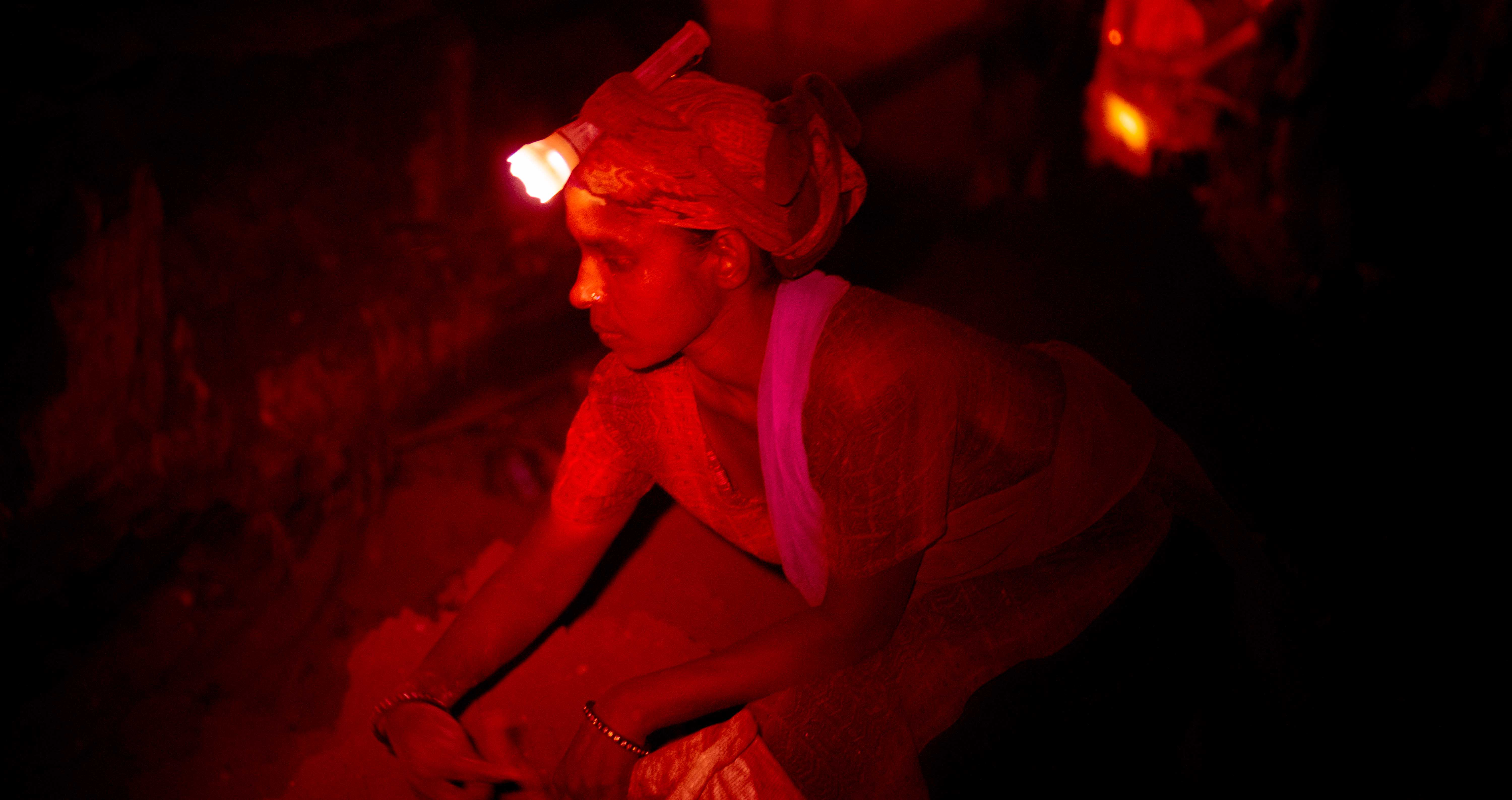
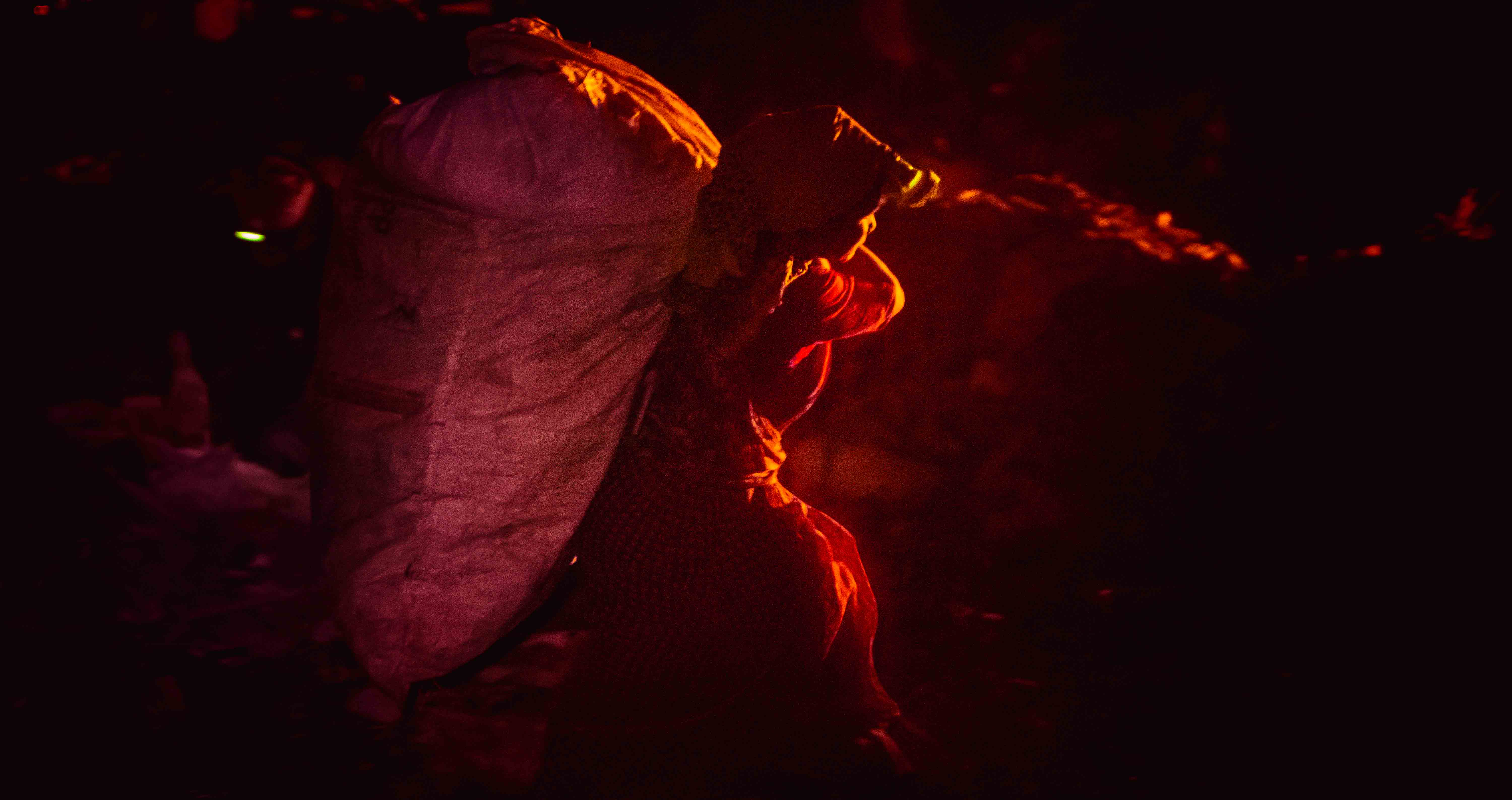
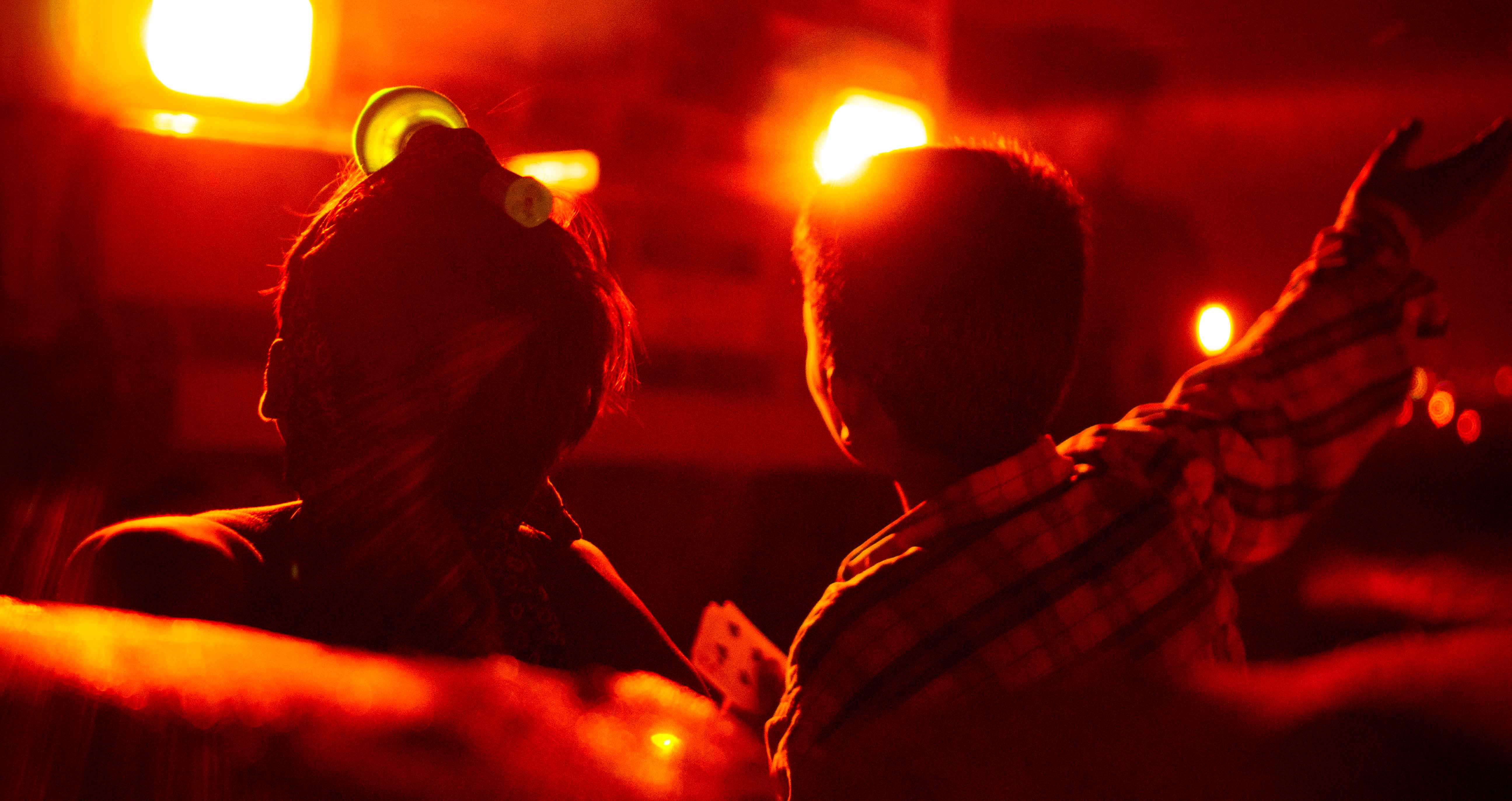
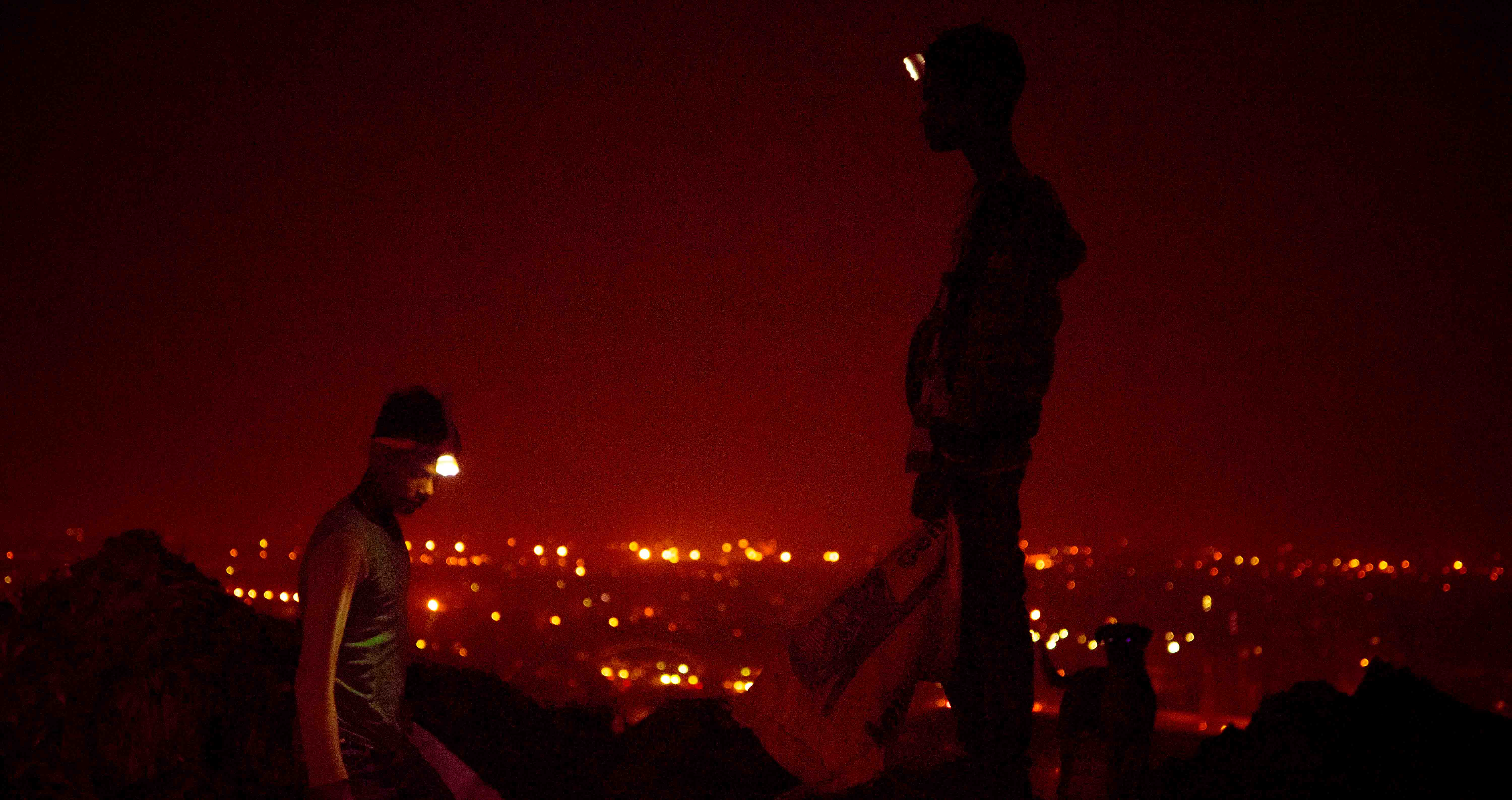
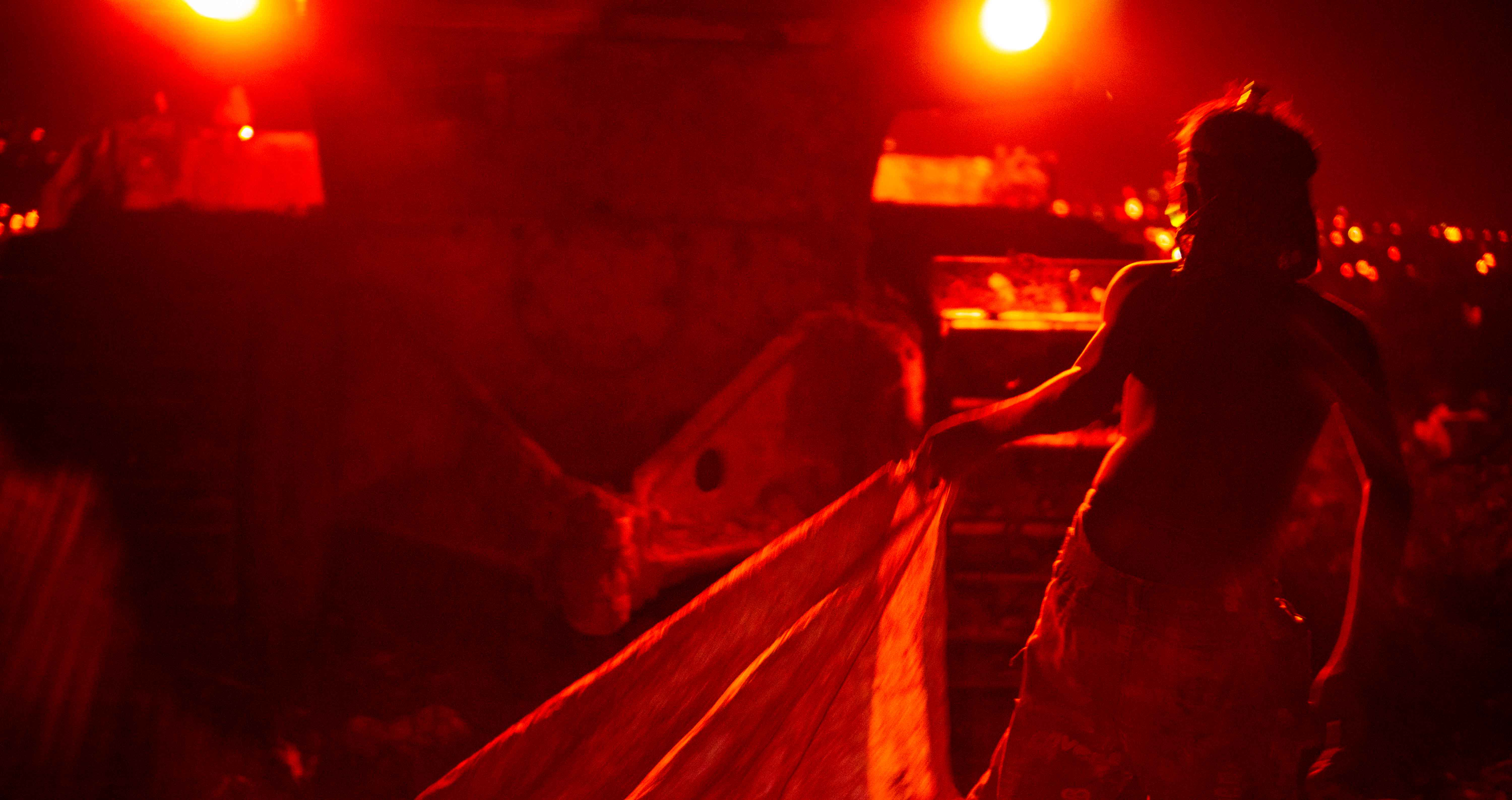
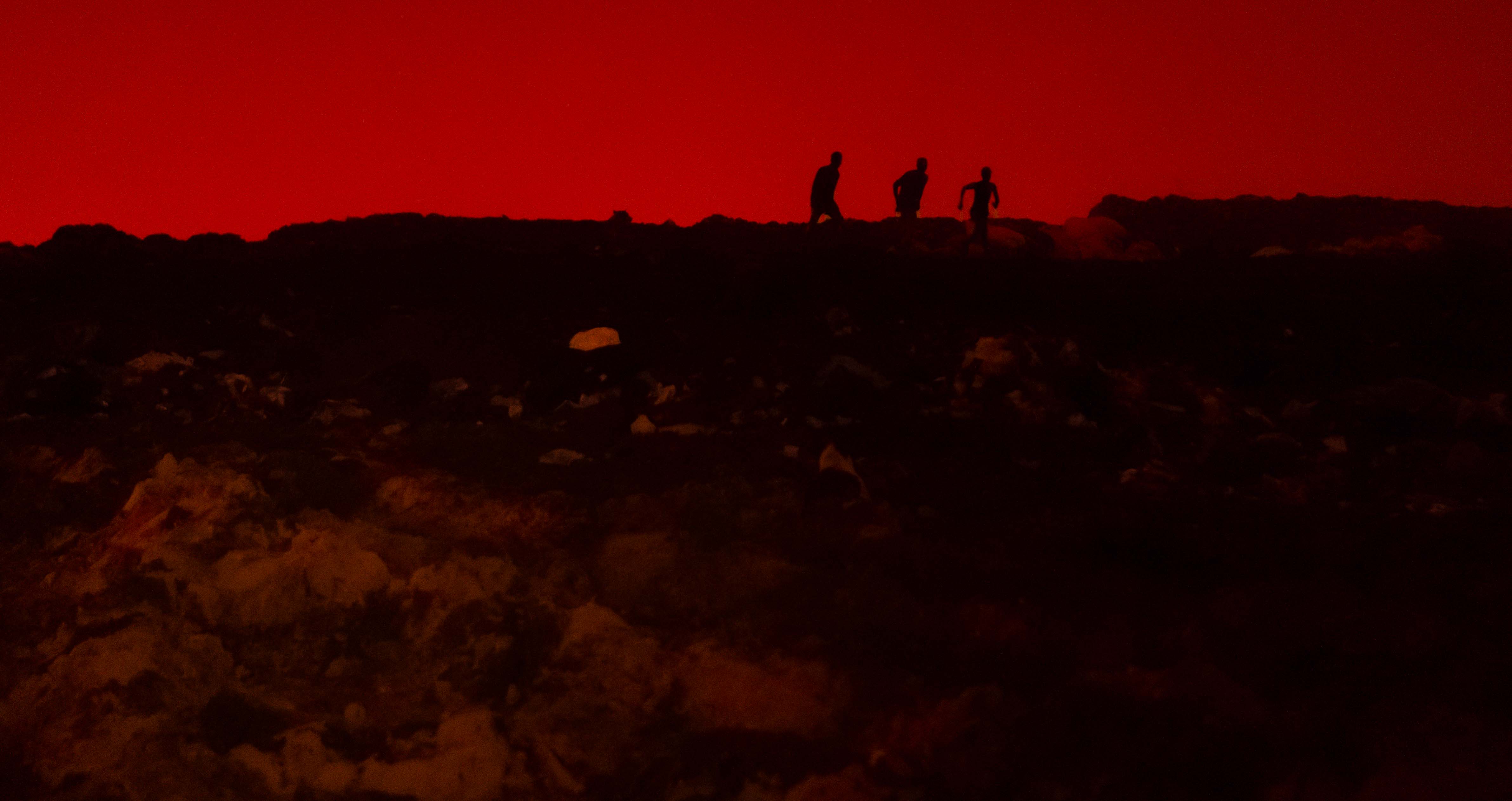
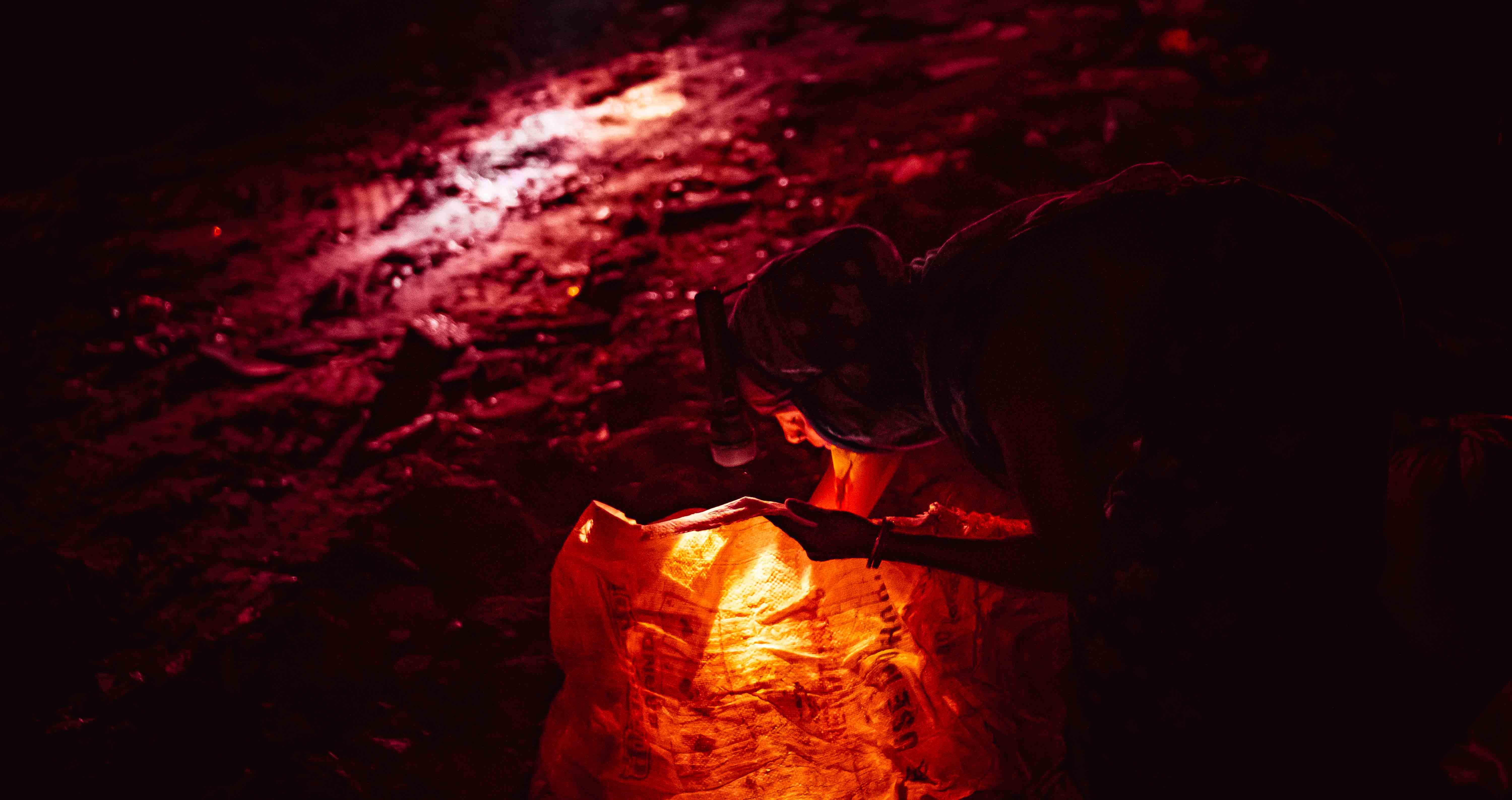
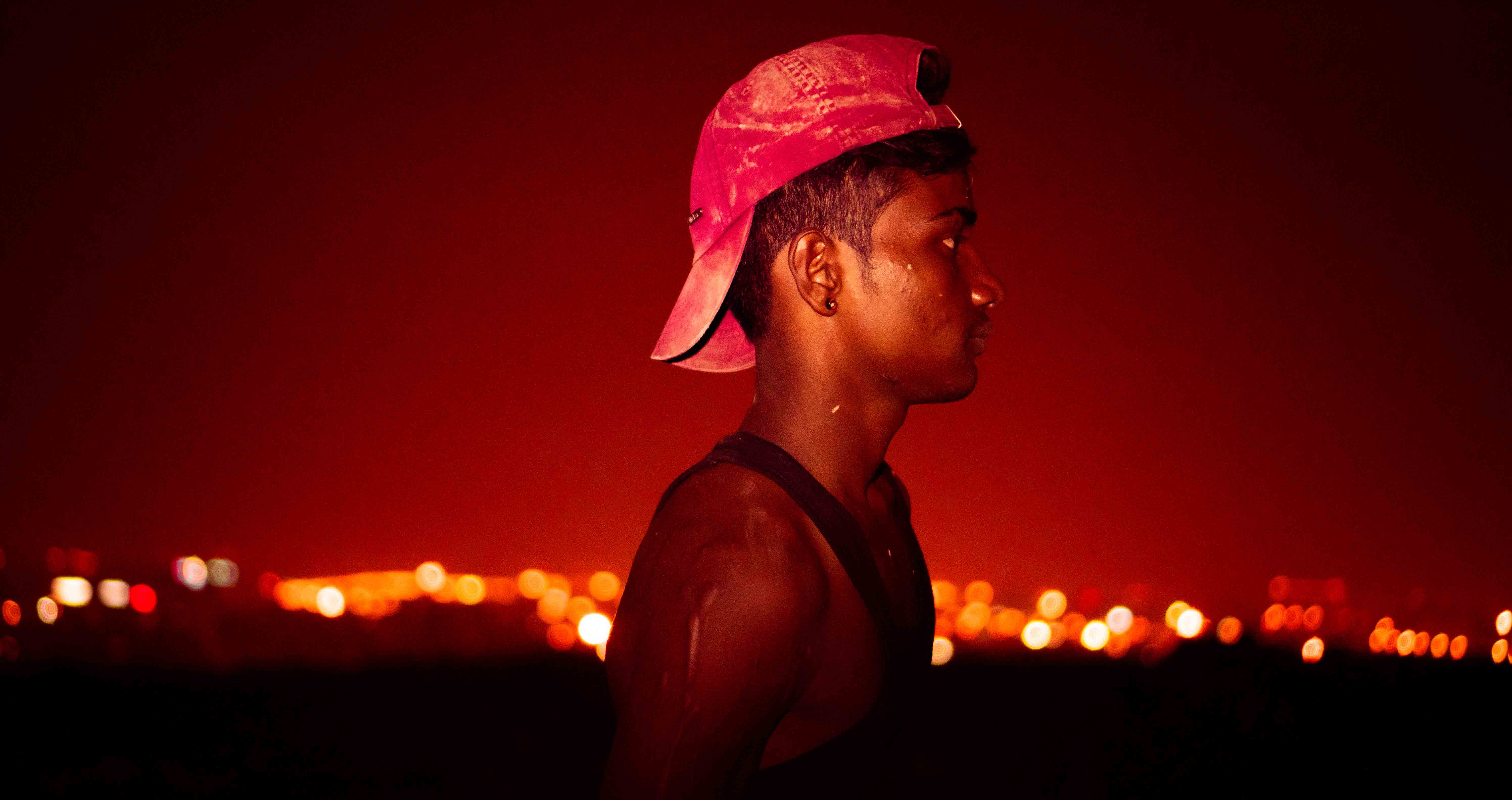
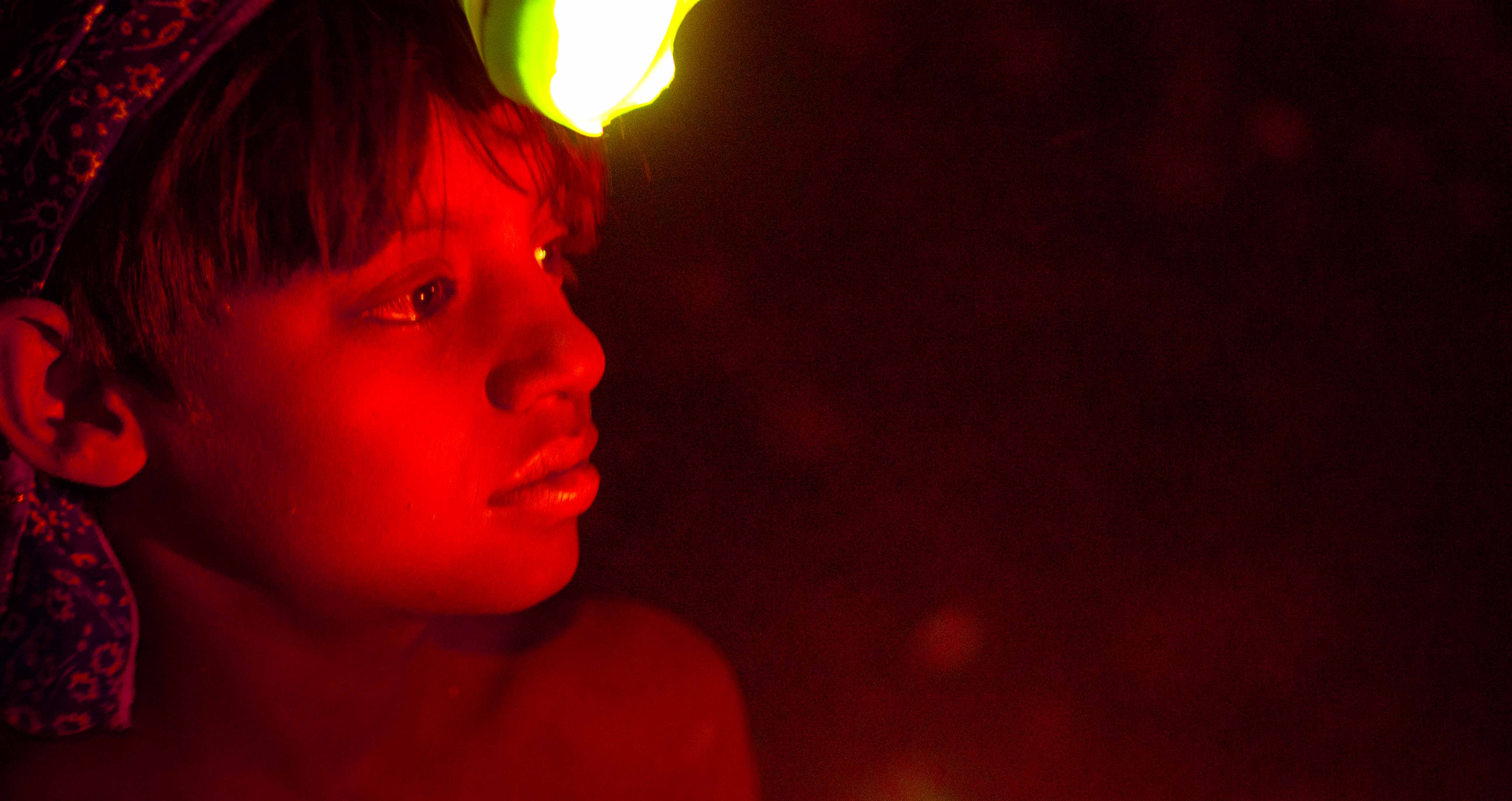
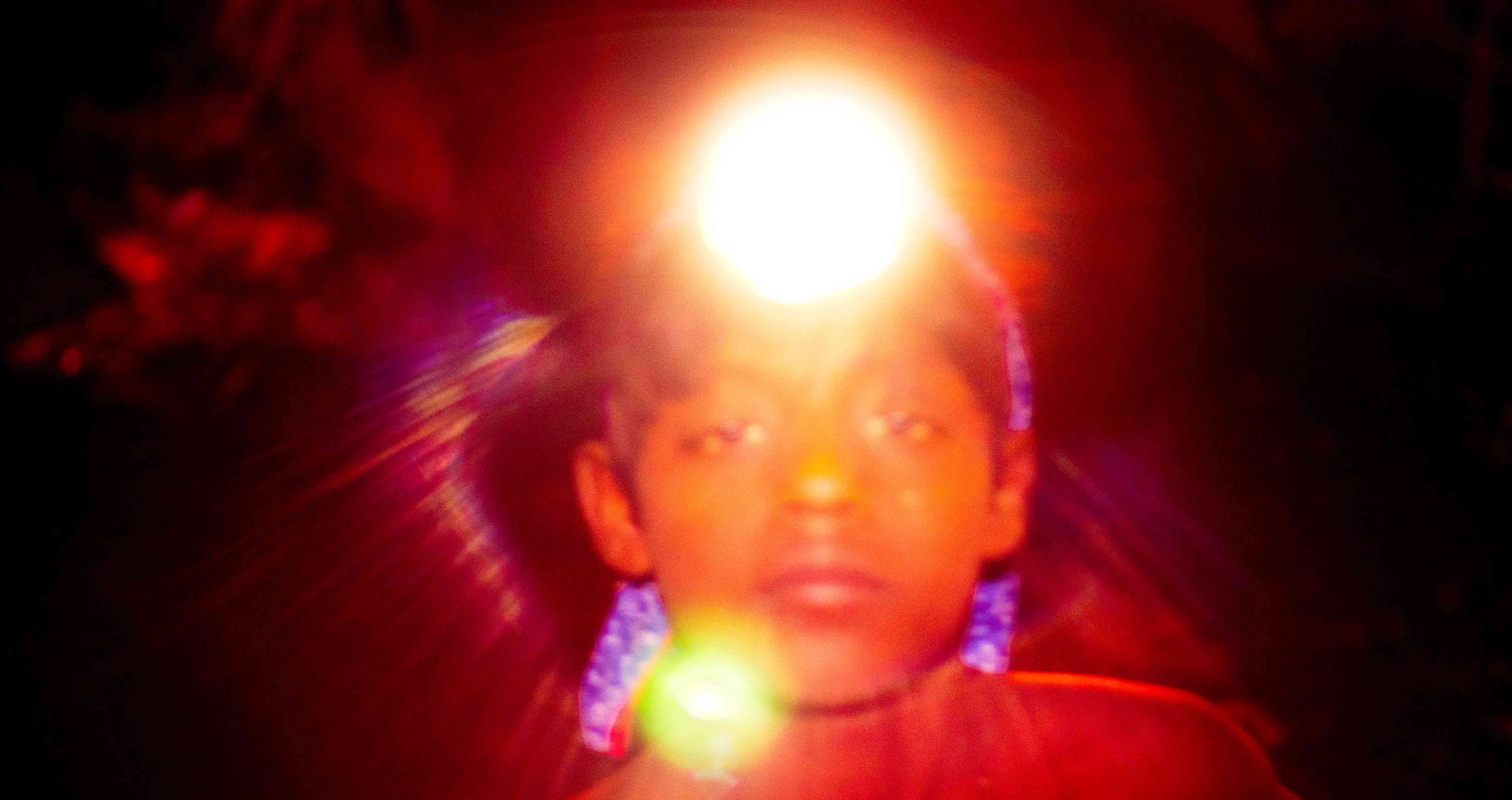
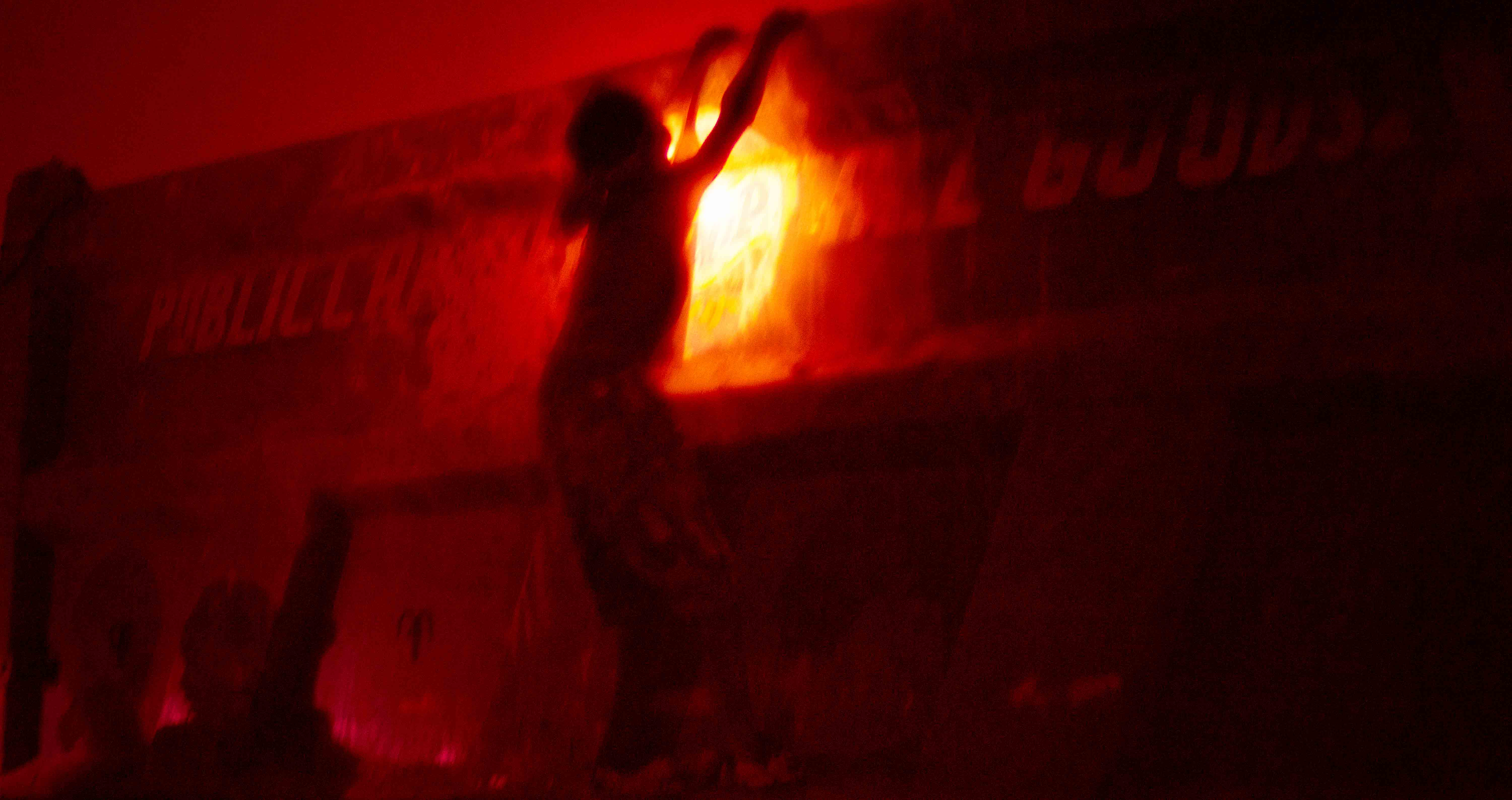
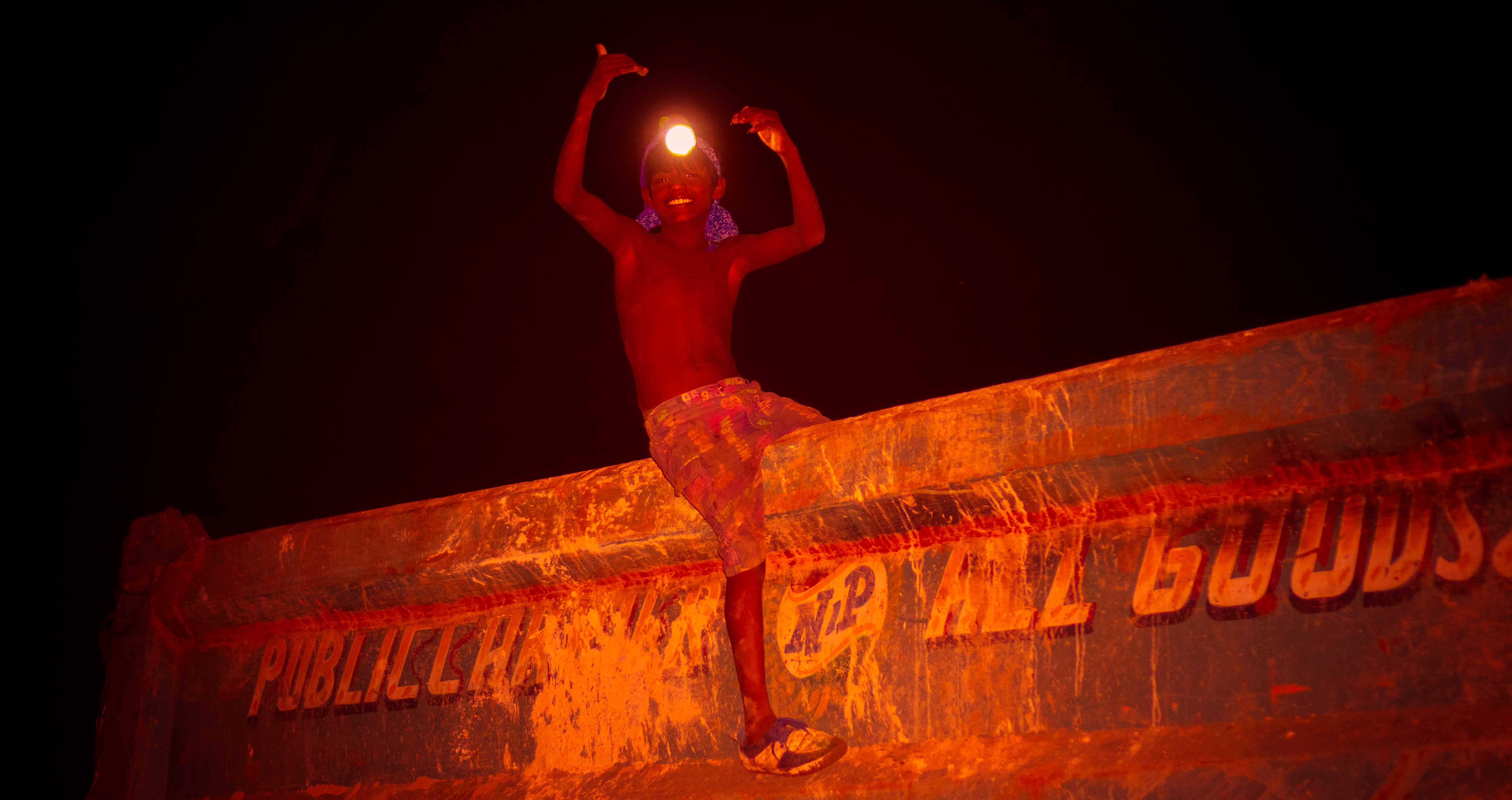
Every night, people ascend as the city discards what it no longer wants. Young boys sprint behind the trucks, racing to find recyclables. Metals, iron, fragments of something better. Women in bright but soiled saris sift through the debris with steady hands. Children too young to understand join in, their small hands moving through the trash. All of them become silhouettes in the red haze, lit only by their headlamps.
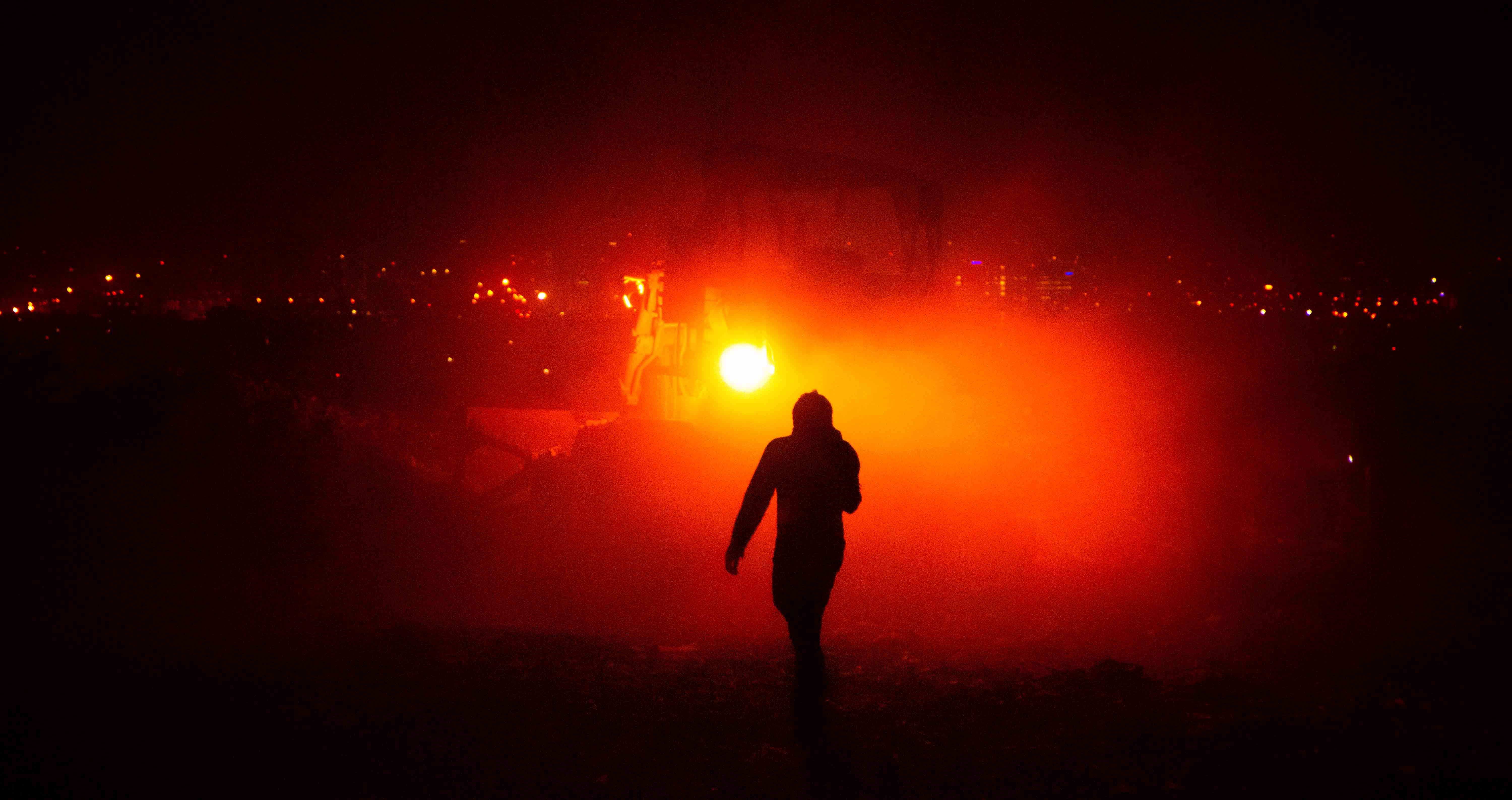
Then the machines arrive. Bulldozers groan. Trash compactors roar. The scavengers race against time, moving through the chaos like shadows. If they don't claim what they need before the machines come, it will be crushed beneath tons of steel. They press closer to the edge, navigating shifting mounds that could swallow them at any moment. The air is thick with the smell of decay. This community builds lives from what others have erased.
Every object here once belonged to someone. It was loved. It was kept. Then it was forgotten. The layers of waste rise like a history we would rather not read.
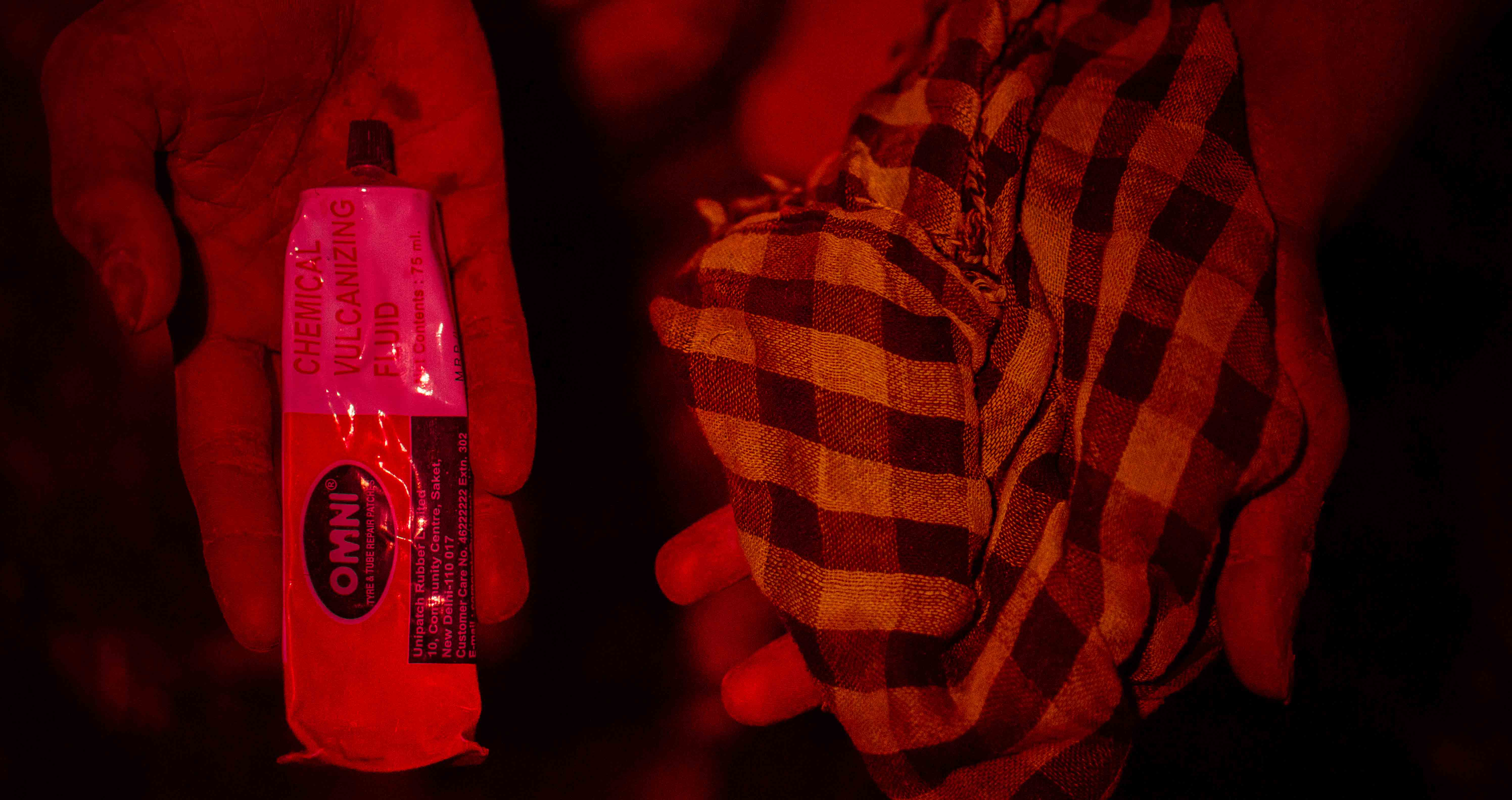
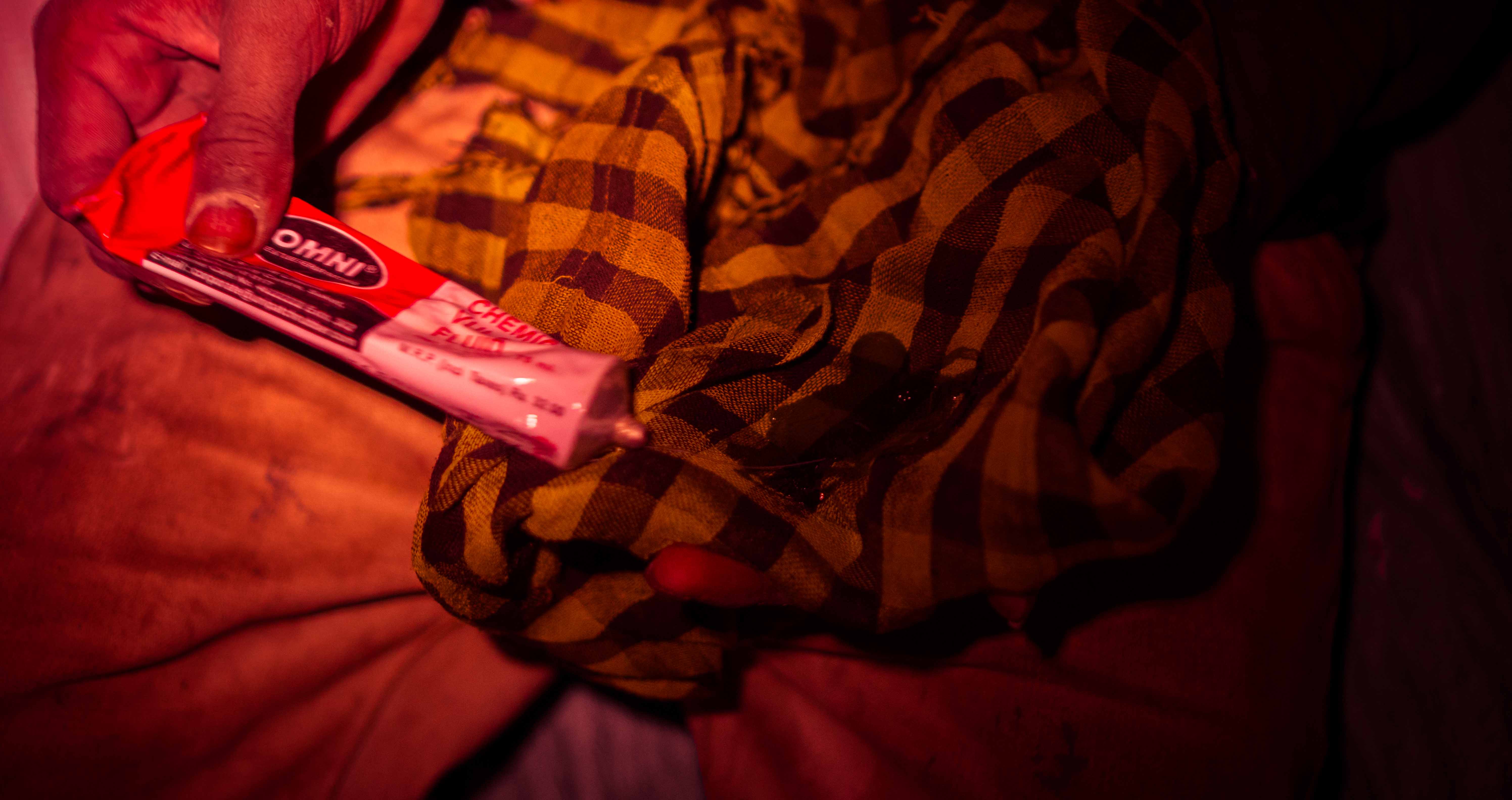
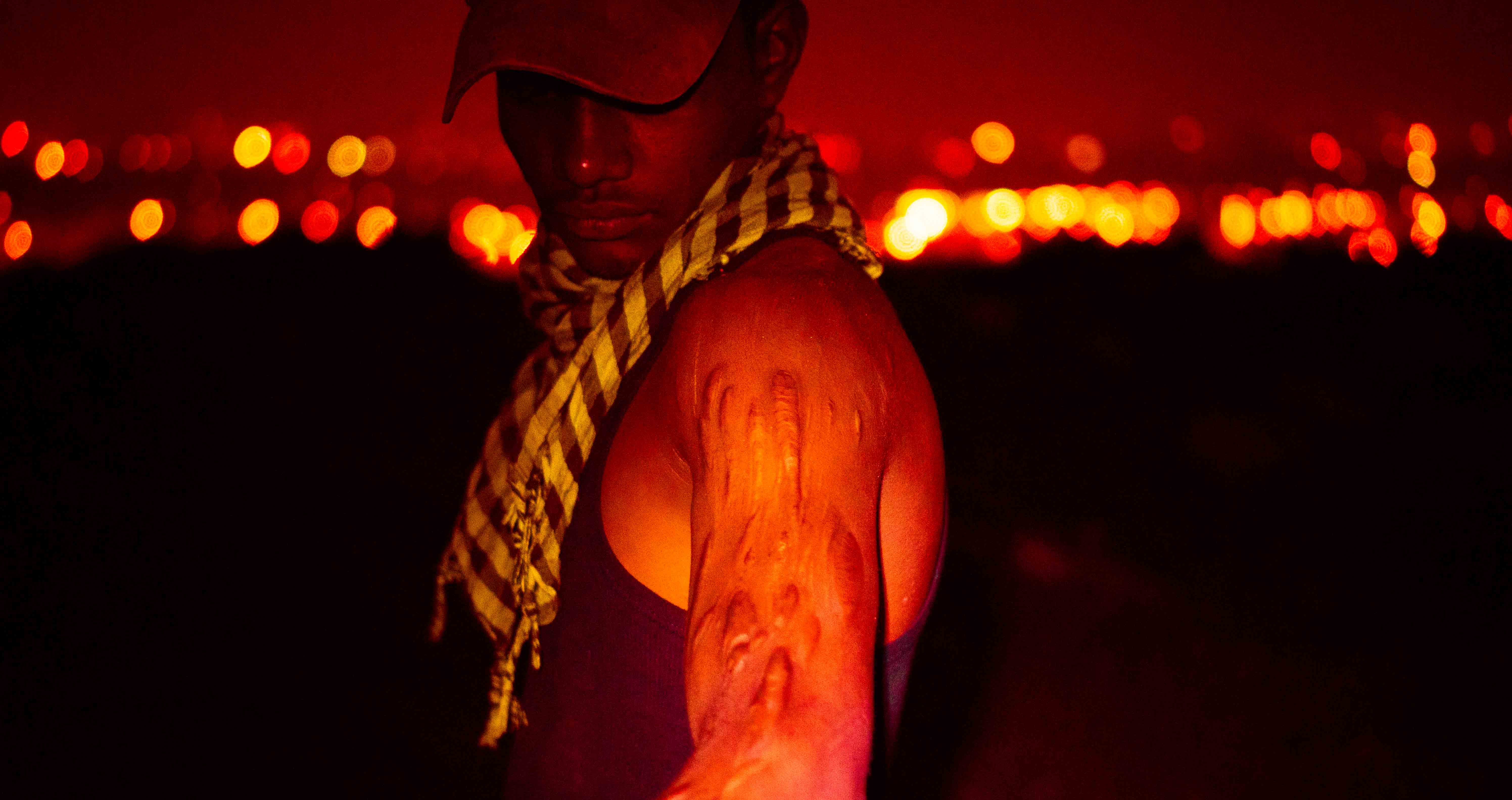
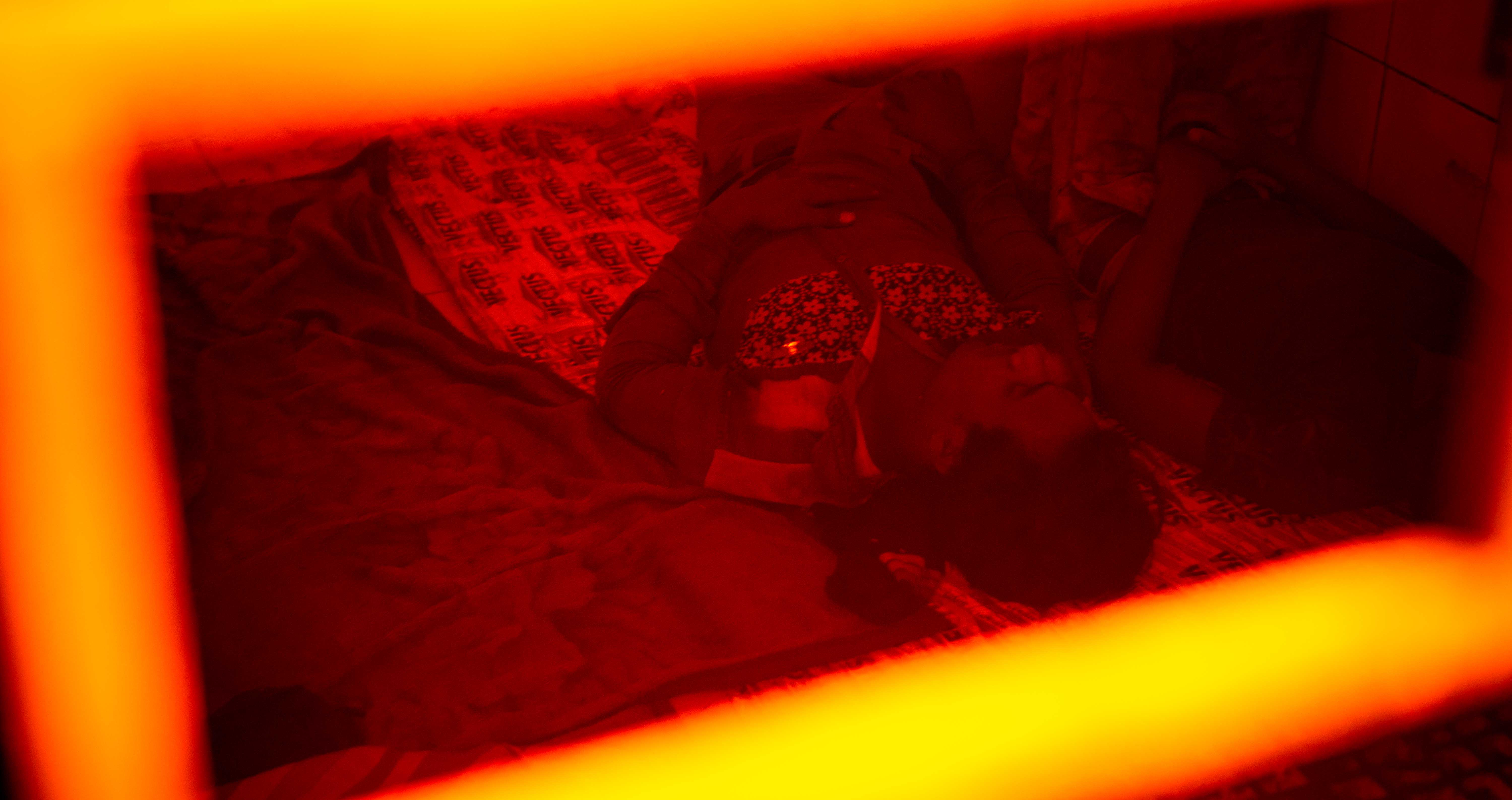
Amid this, another quiet tragedy unfolds. Children and young adults inhale toxic fumes from glue and solvents, seeking escape. These substances offer a brief high but cause severe damage. Neurological harm, respiratory failure. They are cheap and easy to find. For vulnerable children in India, they become a refuge. But the relief is temporary. The addiction continues.
This is a place where dignity erodes but resilience persists. The faces of these people tell stories of bravery and despair. Their silhouettes bear witness to a world that has turned away. Yet they persist. They transform this mountain of garbage into a fragile monument to survival.
This series, Humans of the Red Planet, is a continuation of my previous work, Some Place Paradise. It is an attempt to capture the poetry of existence on the edge.
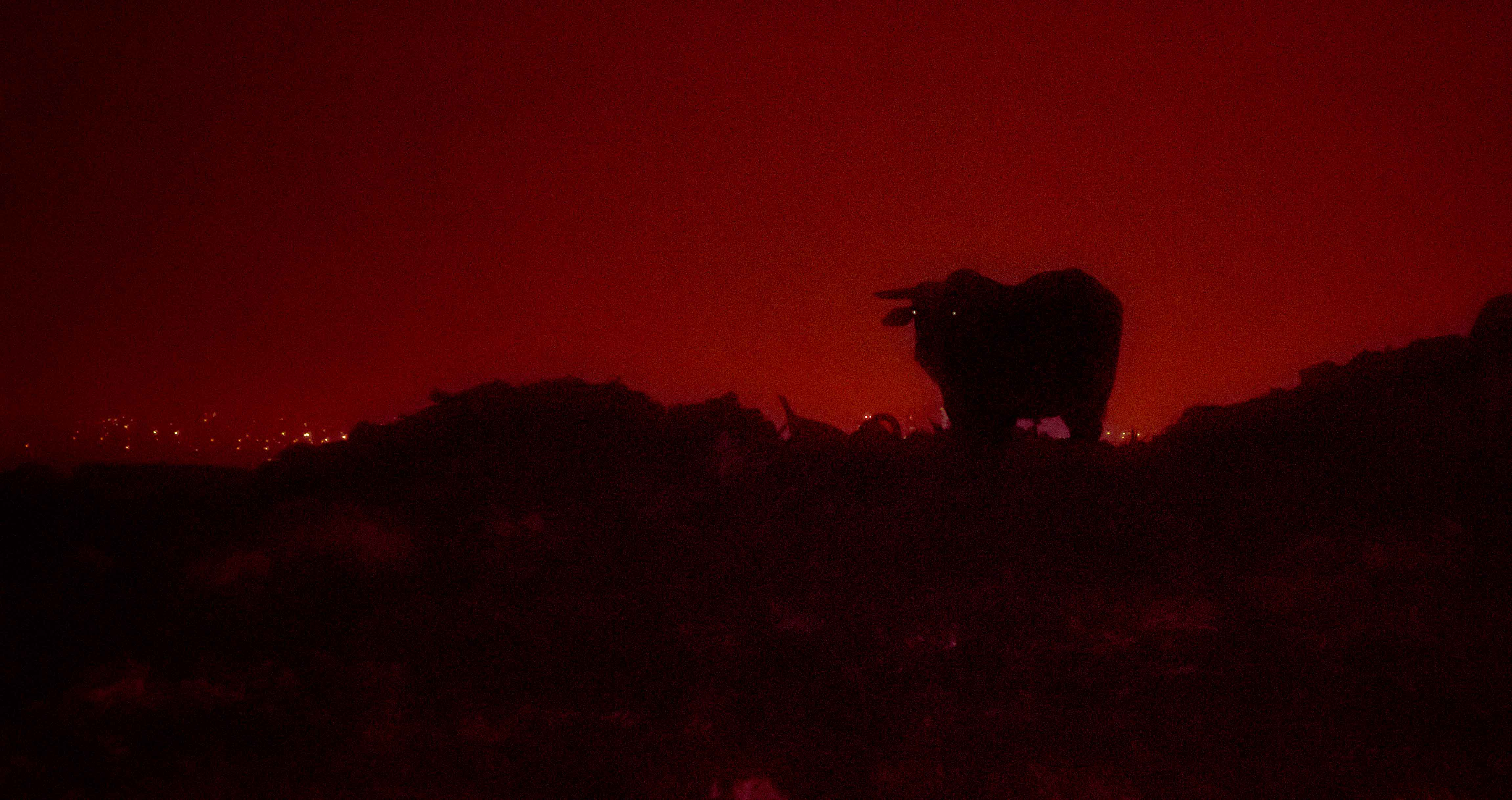
I chose red deliberately. It evokes the rawness of this environment, where survival is stripped to its most basic form. It symbolizes lives lived on the precipice. The title draws on this visual metaphor. The garbage mountain becomes an alien terrain, distant and desolate. Humanity is forced to adapt in ways that feel almost otherworldly. These people inhabit a parallel reality. They orbit our world but are never fully part of it.
This is their story. A story of enduring amid the remains of a city that forgets too easily. In their struggle, we are reminded that even in the most forsaken corners of our world, humanity persists. Glowing faintly, like embers in the night.